
How to Teach Kids to Save Their Pocket Money (Without the Battles)
May 07, 2026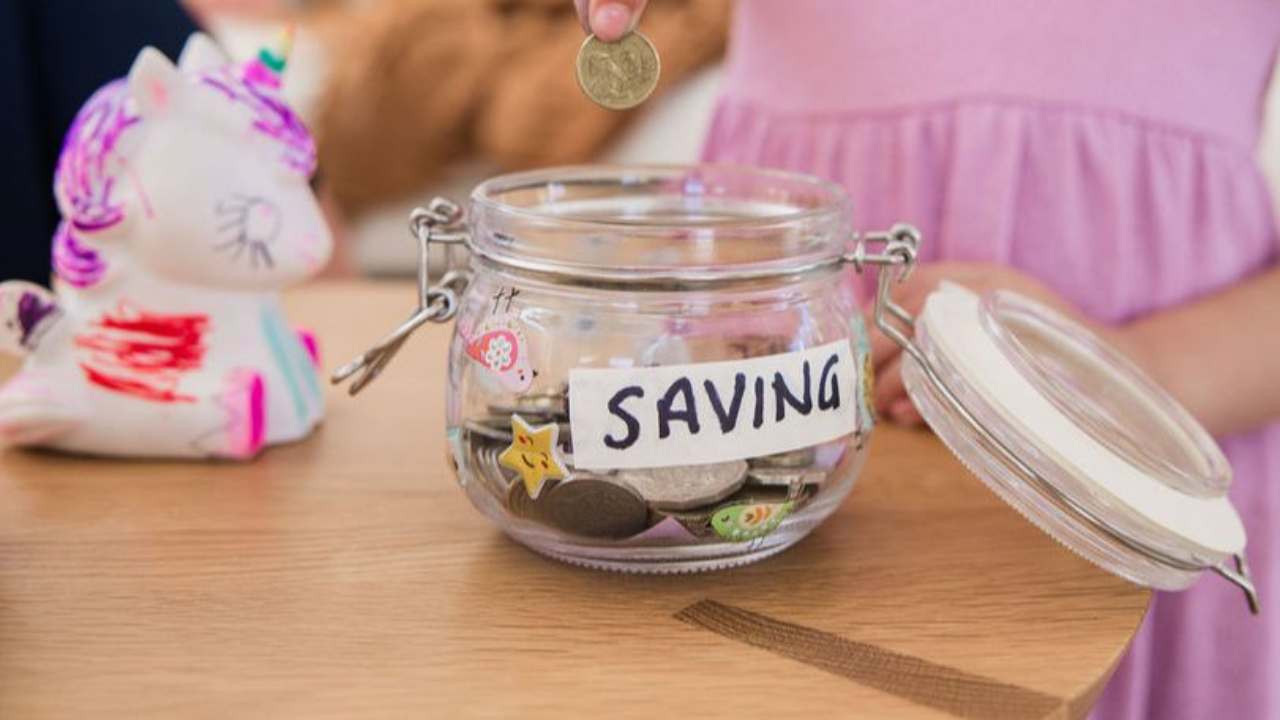
Most parents want their children to save.
Most kids want to spend.
And this gap - between what we hope they'll do and what they actually do - becomes a source of real frustration for families.
So how do you encourage saving without turning pocket money time into a lecture?
First, it helps to understand why saving feels hard for kids.
Children are wired for the present. The idea of waiting for something feels enormous, especially when they're young. Telling a child to 'save for later' without a clear, meaningful goal attached to it often goes nowhere.
What actually works is making saving feel purposeful. Not abstract.
This might look like: Helping your child identify something specific they want to save for.
Showing them visually how they're progressing (a simple chart works beautifully).
Celebrating the milestone when they reach it, not just the purchase.
The goal isn't to stop them spending. It's to help them experience the satisfaction of waiting for something they really want.
That experience, delayed gratification, is one of the most powerful financial habits a child can develop. And it starts with small, real-life practice.
As we explored in an earlier Blog - Why Pocket Money Is About More Than Spending - pocket money is really about building decision-making skills. Saving is just one part of that.
👉 Next week, we'll talk about how to help kids understand the difference between wants and needs, and why it matters more than you might think.
The Pocket Money That Actually Works gives you a gentle, structured approach to introducing saving in a way that motivates kids rather than frustrates them.
👉 Start the “Pocket Money That Actually Works” Course and build saving habits early.