
How to Teach Kids to Save (Without Lecturing Them)
Aug 06, 2026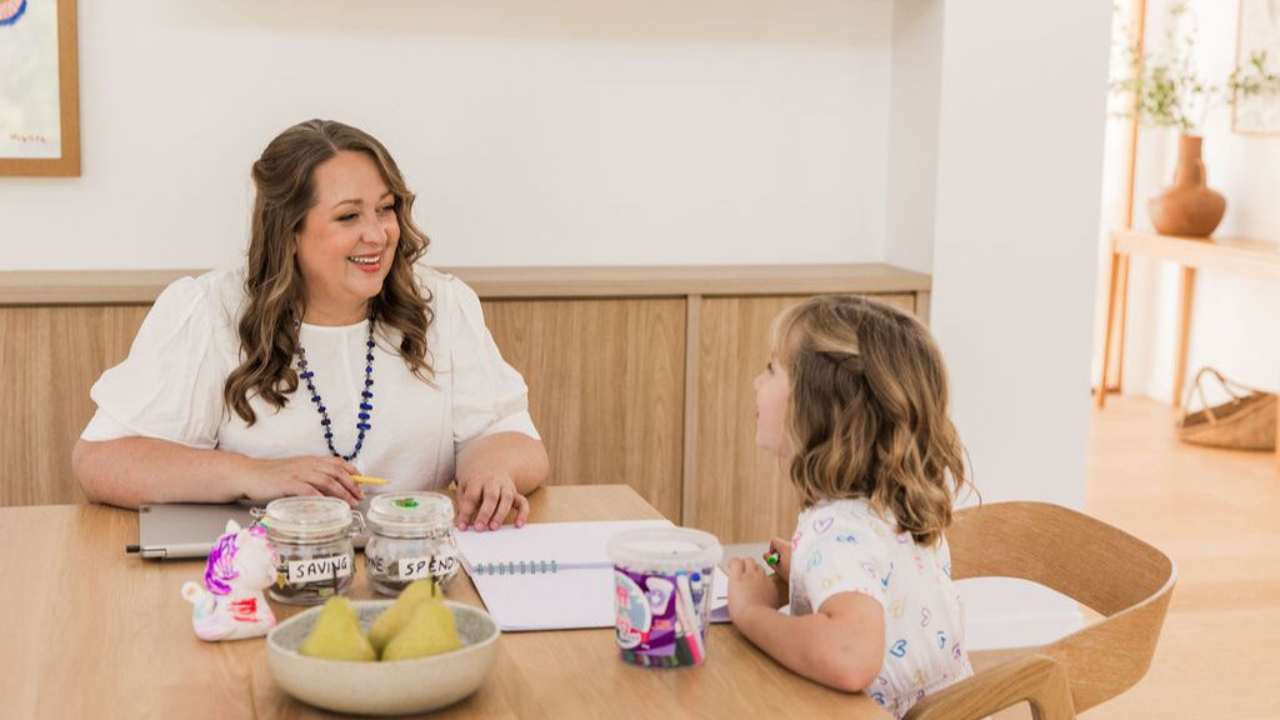
Every parent has had this moment. Your kid wants something. You suggest they save for it. They ask how. You launch into a well-meaning explanation of saving, patience, delayed gratification. Their eyes glaze over about six seconds in.
Here’s what actually works. Simple, visual, and short enough that no one’s eyes glaze over.
Why lecturing doesn’t work
Kids aged 3 to 10 don’t learn from explanations. They learn from experience with tiny hits of feedback. The word “save” is too abstract. But “put your $2 in the jar with the LEGO picture on top” is completely concrete.
Same lesson. Completely different result.
The three-jar system (and my honest opinion)
You’ve probably heard of the three jar system: save, spend, give. Every dollar gets split three ways.
It works well for a lot of families. For young kids (3 to 6), one jar per goal may be more effective, but I know they can handle more. I did a saving and spending jar per child with explanations that worked well from age 3. As a family we do giving together while they are young, which will change as the kids grow up. By talking to your youngster and knowing what your goals are with pocket money, you will know what number of jars is right for you.
Scripts that actually work
When they want to spend it all today: Don’t say “You should save that.” Say “You’ve got a couple of options. You could get that today, or save it and get closer to (their goal). Which one?”
When they want to save but keep dipping in: Don’t say “You’re never going to reach your goal like that.” Say “Hmm, what does your jar look like right now? Is it going in the direction you want?”
When they’ve been saving for weeks and get tempted: Don’t say “But you’ve come so far!” Say “Tough one. What do you reckon you’ll feel like tomorrow if you take some out today?”
Five things that make saving stick
- Make the goal visible. Picture at the top of the jar or on the fridge.
- Make the amount small. Ten small saves feel better than one big one.
- Celebrate the milestones. Halfway, two thirds. Kids need the dopamine.
- Never bail them out. If they dip in, they dip in. If they never reach it, that’s information too.
- Model it yourself. Kids notice everything.
Small money moments build lifelong habits. Saving isn’t one lesson. It’s a set of habits your child builds over years.
Pocket Money That Actually Works is 10 short lessons covering strategy, how to build your system, how much, what to say at what point, and lots more.